Tides Don't Care About Your Schedule. Plan Around Them.
That sea stack you want to shoot? Underwater at high tide. Those tide pools? Exposed for 45 minutes twice a day. ShutterTime syncs tide predictions with golden hour so you catch both.
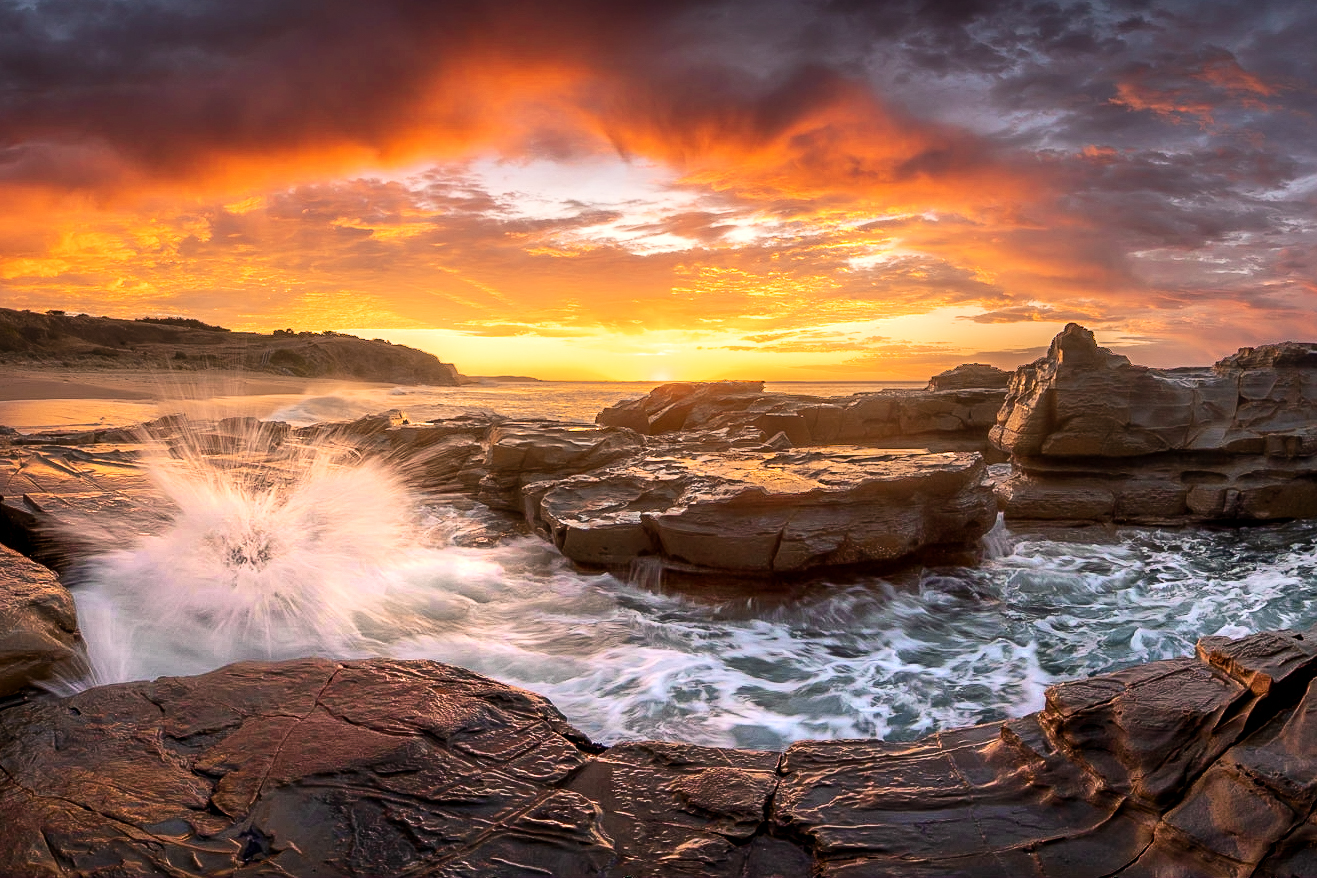
Sound familiar?
Tide too high to reach the rocks
Arrived at the beach to find your composition completely underwater. Should have checked the tide chart—but who has time?
Perfect tide, harsh light
Found the exposed tide pools, but it was 2pm and the sun was directly overhead. Flat, shadowless, unusable.
Tide app + sun app = headache
Checking a tide chart, then a sunrise app, then trying to figure out when they overlap. There has to be a better way.
Wanted drama, got a calm sea
Showed up hoping for crashing waves and spray. Got a flat, mirror-like surface. Beautiful, but not what you planned for.
What ShutterTime tracks
Low Tide Timing
Tide height and timing synced with your shoot. 0-0.5m exposes tide pools, rocks, sea textures.
High Tide Timing
For dramatic wave photography and coastal crashes. Waves reach higher, more drama against cliffs.
Golden Hour Overlap
The magic window when tide and light align. Low tide + golden hour = the perfect seascape.
Wind Speed
Calm for reflections, strong for wave action. Choose your style: mirror or drama.
Frequently asked questions
How do tides affect beach photography?
Tide height determines what's accessible and visible. At low tide, rock formations, tide pools, and sea textures become exposed. At high tide, waves reach higher and create more dramatic crashes. The best seascape shots often require specific tide levels that only occur in narrow windows.
When is the best tide for rock pool photography?
Aim for tide heights below 0.5m for optimal rock pool exposure. A falling tide is often better than rising—the water continues to recede, exposing more features. ShutterTime scores low tide conditions on a gradient: 0-0.5m (excellent), 0.5-1m (good), 1-1.5m (marginal).
How do I know if waves will be dramatic?
Wave action depends on wind speed and swell. ShutterTime tracks wind conditions: calm (<5 m/s) gives mirror reflections, moderate (10-15 m/s) creates wave action, strong (>20 m/s) produces dramatic crashes but may be dangerous. We also factor in swell height and period where data is available.
Can I set alerts for specific tide + light combinations?
Yes. Create a seascape profile with low tide as a must-have condition and sunrise/sunset as the target phase. Set a score threshold on your coastal locations and ShutterTime will notify you when the tide window overlaps with golden hour.
Related features
Golden hour and cloud conditions
Recent rain and flow conditions
Night seascapes and Milky Way