Autumn Photography: Chasing Peak Colour with Weather and Light
Tips-tricks Beginner
A seasonal guide to peak colour Why Autumn Is the Landscape Photographer's Season There is a reason landscape photographers mark autumn on their calen...
9 min read
Published May 27, 2026
Why Autumn Is the Landscape Photographer's Season
There is a reason landscape photographers mark autumn on their calendars months in advance. For a brief window - sometimes just one or two weeks - the natural world puts on a display of colour that no other season can match. Hillsides glow amber and crimson. Forest floors turn golden. The light itself shifts, arriving lower and warmer as the days shorten.
But here is the part that separates a good autumn portfolio from an extraordinary one: weather. Peak foliage is fleeting, and the conditions you shoot it in determine whether your images feel flat or alive. A bright overcast sky saturates those reds and yellows in ways harsh sun never will. A morning fog rolling through a valley of turning trees creates depth that photographers spend entire careers chasing.
This guide is about making the most of that narrow window - understanding when it arrives, what weather to hope for, and how to plan sessions that capture autumn at its absolute best.
Understanding Peak Foliage Timing
Autumn colour is not random. It follows predictable biological triggers, which means you can anticipate it if you pay attention to the right signals.
What Drives the Change
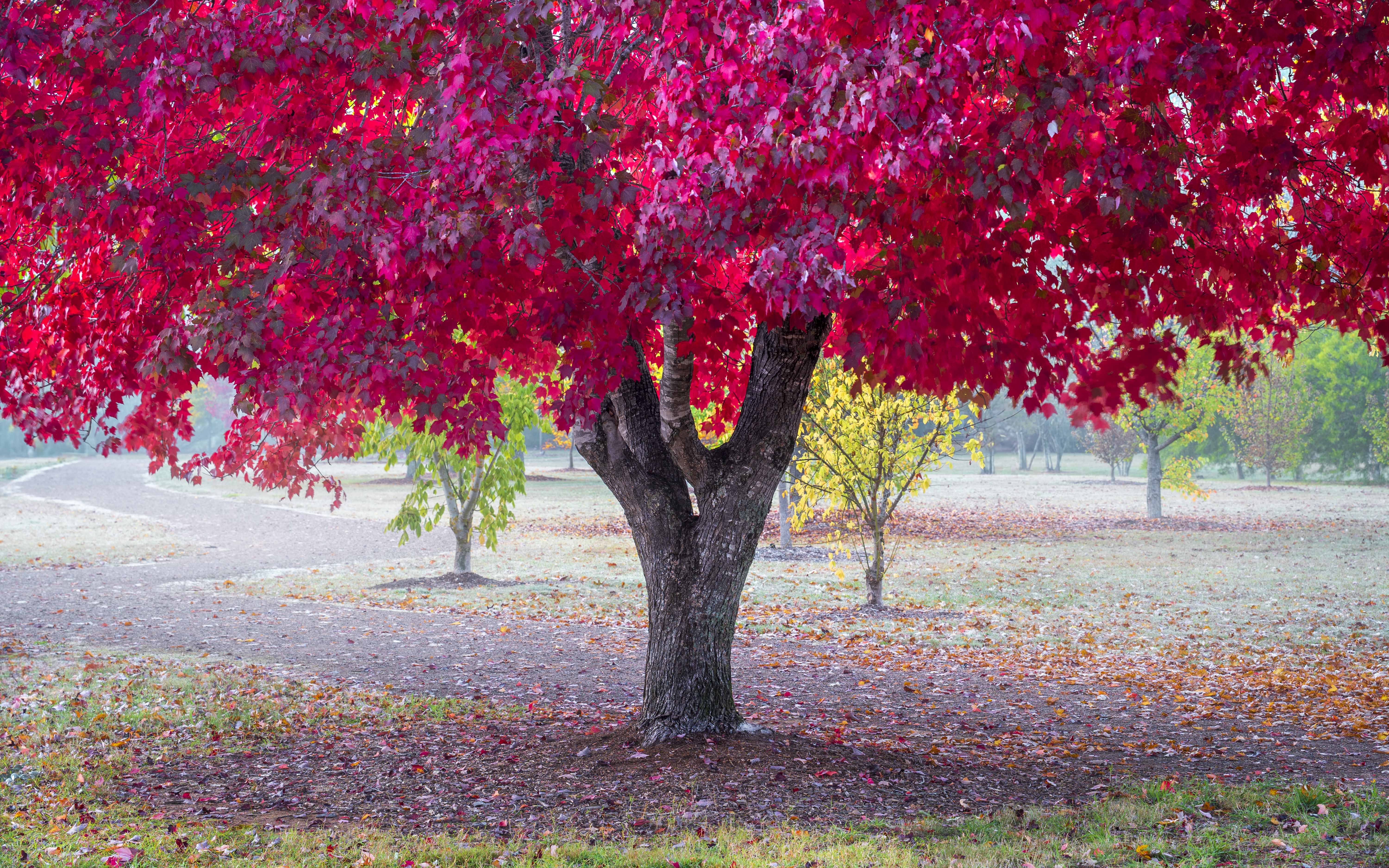
Deciduous trees respond primarily to two factors: decreasing daylight hours and dropping temperatures. As nights grow longer and cooler, chlorophyll production slows, revealing the yellow and orange pigments (carotenoids) that were always present beneath the green. Meanwhile, sugars trapped in the leaves produce anthocyanins - the brilliant reds and purples that make maple trees so photogenic.
The ideal recipe for vivid colour is warm sunny days followed by cool nights above freezing. An early hard frost can kill leaves before they peak, while an unusually warm autumn delays the transition and often produces muted tones.
Altitude, Latitude, and Local Variation
Peak colour moves predictably. Higher elevations turn first, followed by lower valleys over the subsequent weeks. In the Southern Hemisphere, alpine regions like the Australian Alps or New Zealand's Otago begin turning in late March, while lower-elevation areas peak through April and into May. Northern Hemisphere photographers see this cascade from September through November.
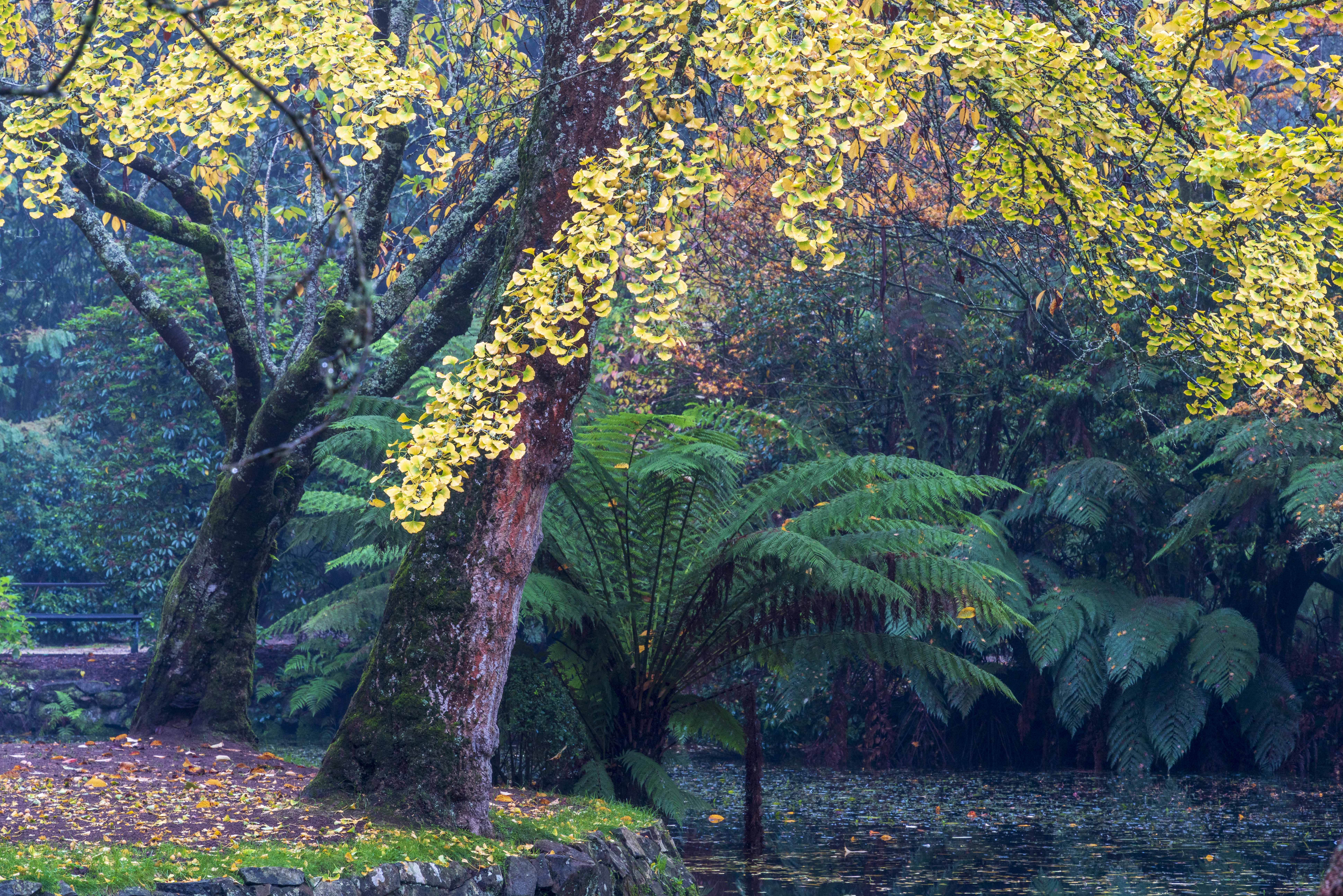
This progression is actually an advantage. If you miss peak colour at one elevation, you can chase it downhill over the following week or two. Knowing your local terrain means you can plan multiple sessions across the full autumn window rather than betting everything on a single weekend.
Weather Conditions That Elevate Autumn Photos
Once the leaves are turning, weather becomes the variable that separates ordinary autumn snapshots from portfolio-worthy images.
Overcast Skies Saturate Colour
This is the single most important thing to understand about autumn photography: an even cloud layer acts as a giant softbox. It eliminates harsh shadows, removes blown-out highlights on glossy leaves, and allows the camera sensor to capture the full range of warm tones. If you only shoot autumn colour on sunny days, you are missing the best light for foliage.
Post-Rain Richness
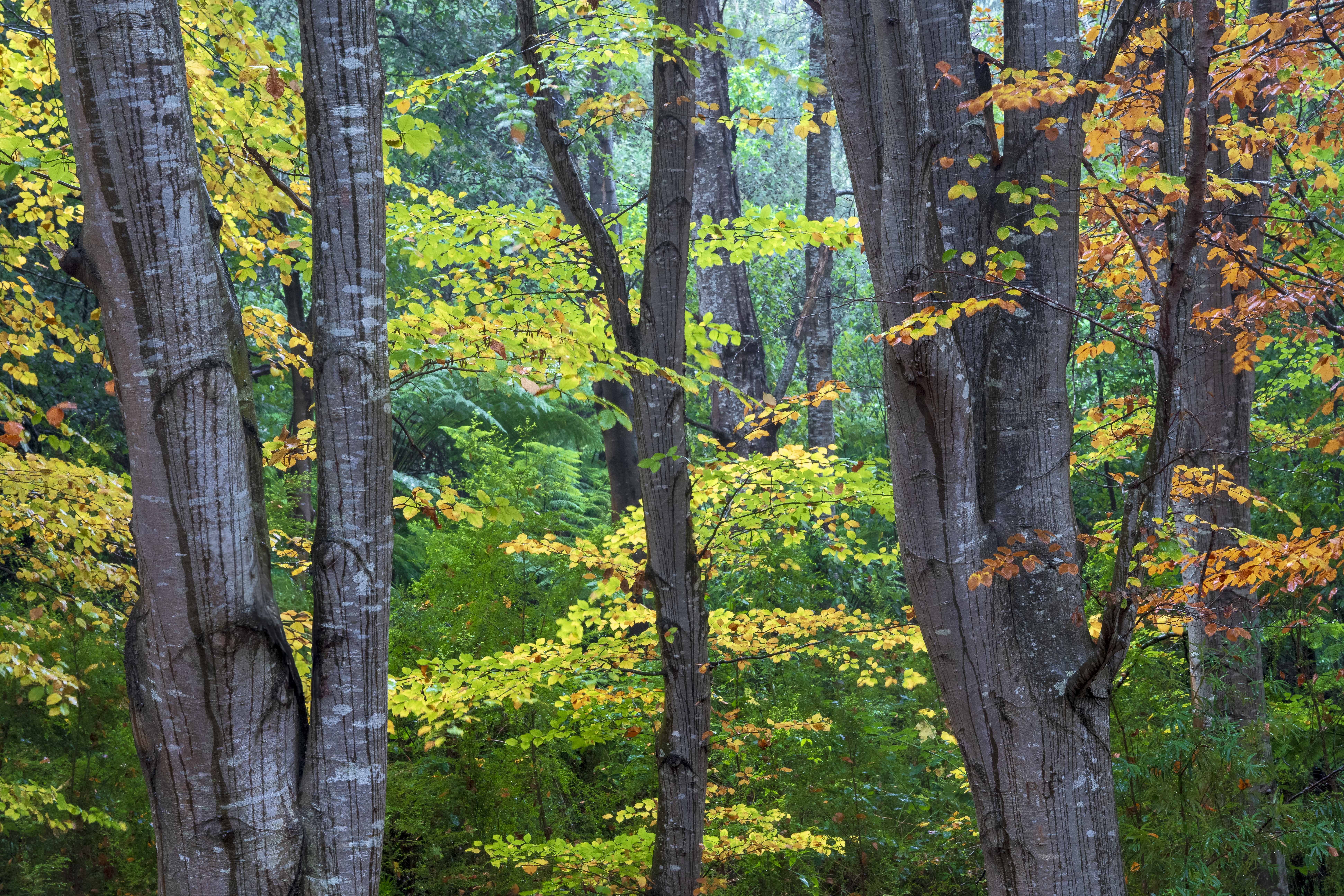
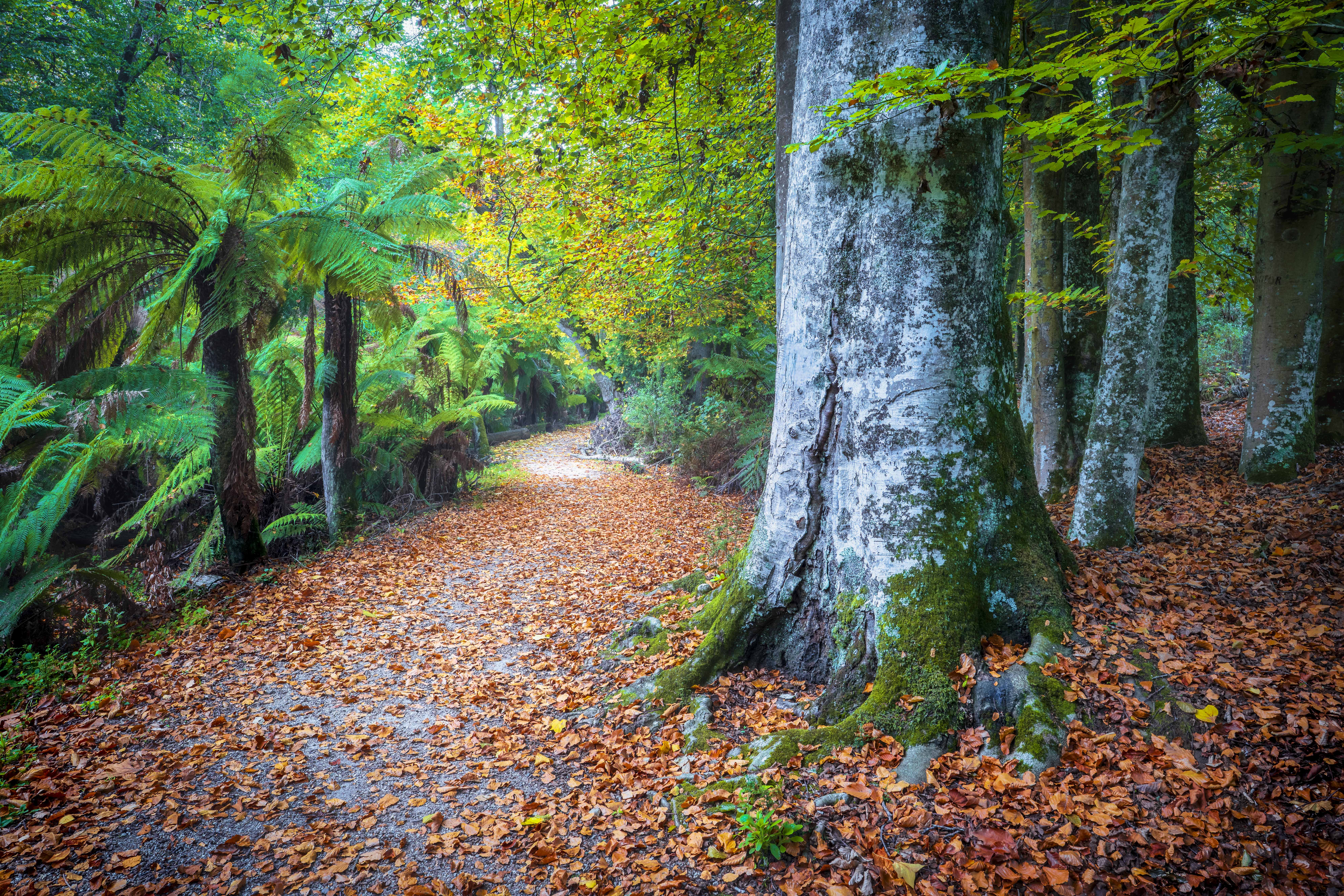
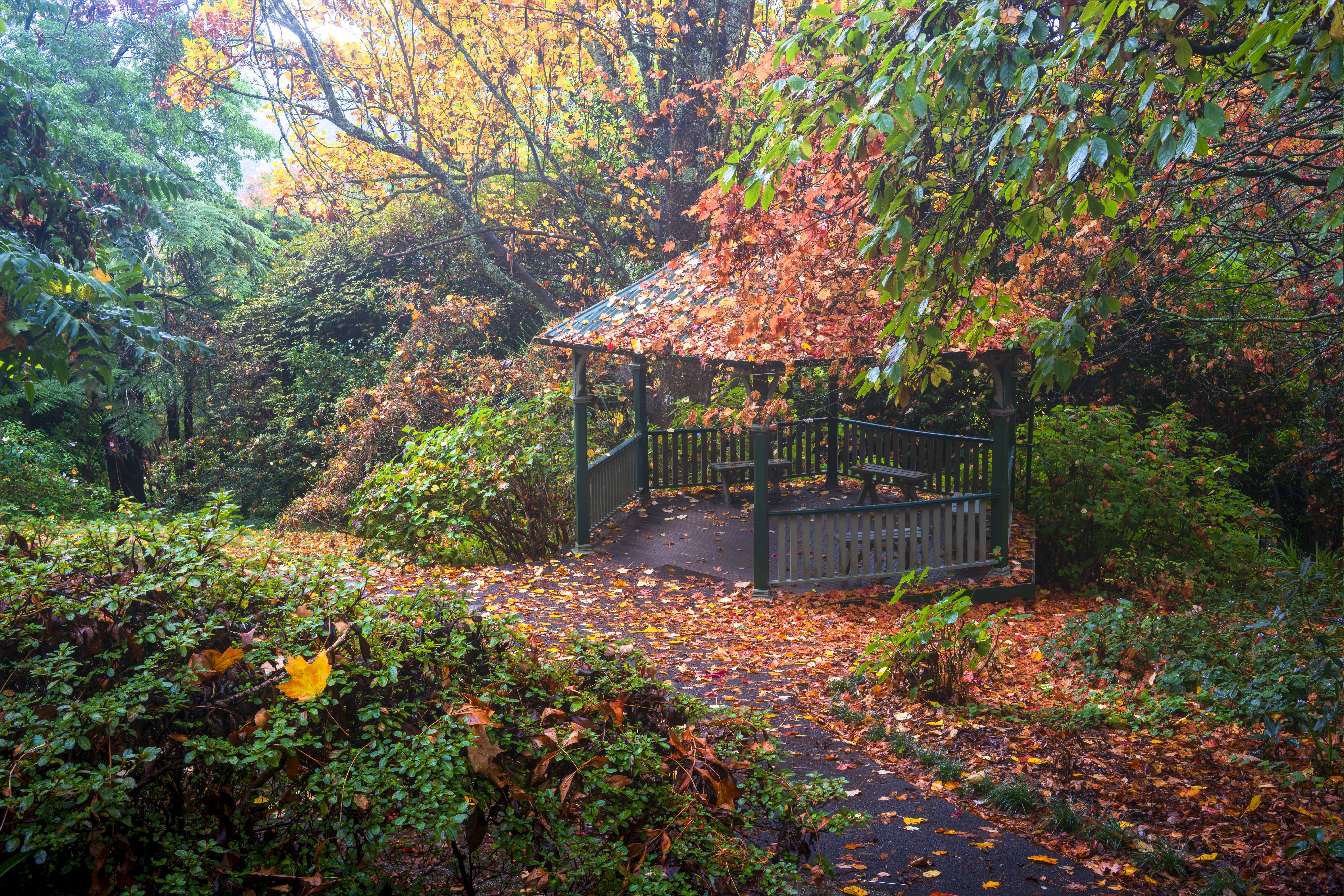
Rain darkens bark, deepens the colour of wet leaves, and adds a subtle sheen to forest scenes. The hour after rain stops - especially if the clouds begin to break - is one of the most rewarding times to be in a forest with a camera. Fallen leaves on wet rocks or forest trails become compositions in themselves.
Fog and Mist
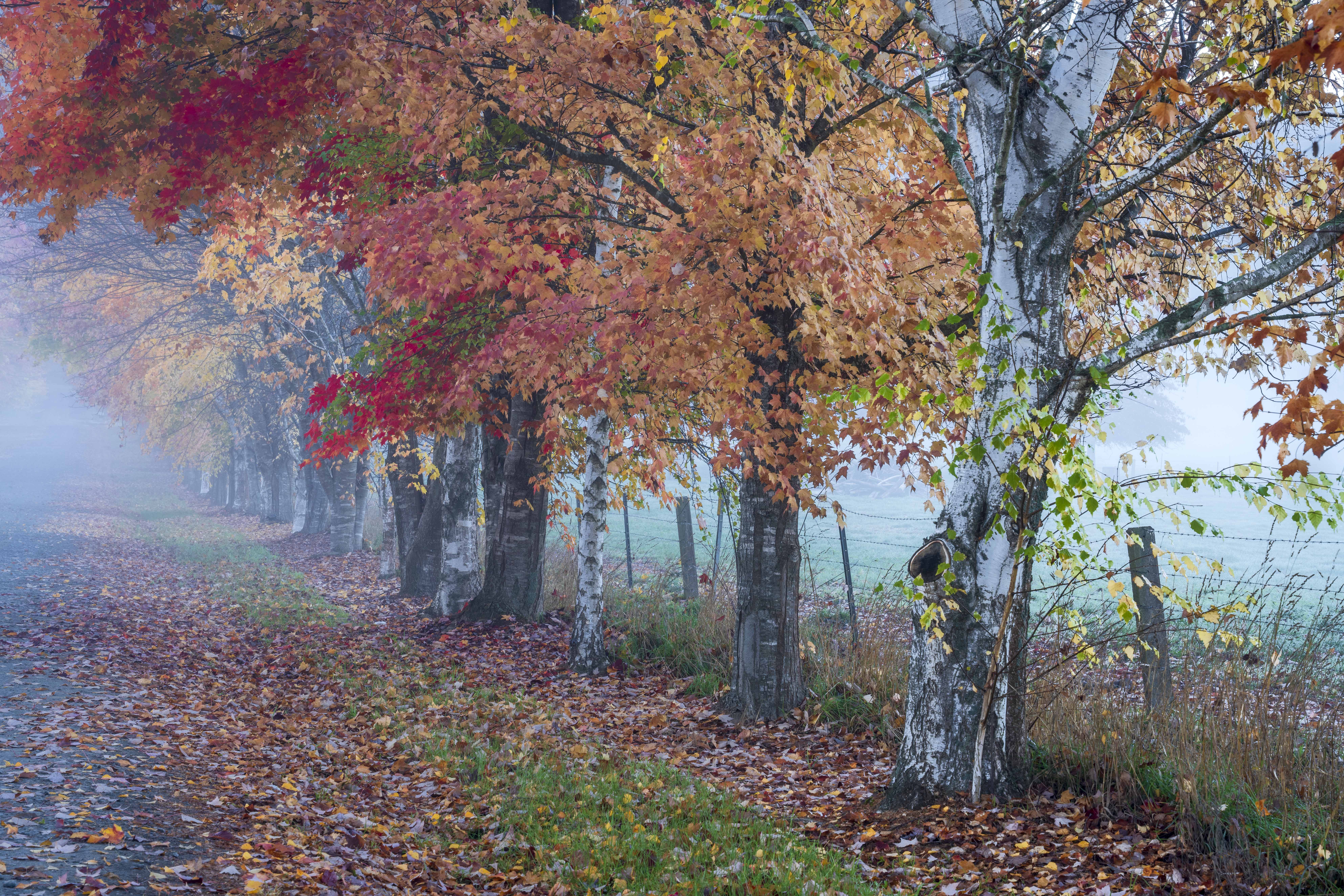
Fog combined with autumn colour is the combination that wins competitions. It simplifies backgrounds, separates layers of trees by tone, and creates god rays when the sun begins to burn through. Valley locations and areas near water are most likely to produce fog on cool, calm mornings following a warmer day.
Extended Golden Hour
As the sun tracks lower across the sky in autumn, golden hour stretches longer than in summer. The warm light complements the warm foliage, and sidelighting reveals texture in bark and leaf detail that overhead summer light flattens. Sunrise and sunset sessions become more productive simply because you have more time to work with.
Calm Conditions for Reflections
A still lake reflecting a hillside of autumn colour is one of the classic landscape compositions. Wind is the enemy here. Early mornings before thermals develop tend to offer the calmest water, and autumn mornings are often calmer than summer ones because the temperature differential between land and water is smaller.
Using ShutterTime to Time Your Autumn Sessions
Autumn photography rewards planning more than any other season. The window is short, and the best conditions are specific. This is where environmental scoring becomes genuinely useful.
How Scoring Reflects Autumn Conditions
ShutterTime evaluates cloud cover, humidity, golden hour duration, wind speed, and other factors for each location across multiple time windows throughout the day. During autumn, the scores naturally surface days when conditions align for foliage photography - overcast mornings, calm conditions, extended golden hour periods.
A day scoring in the mid-80s during autumn often means you are getting that soft overcast light combined with manageable wind and good golden hour timing. A score pushing into the 90s might indicate fog potential alongside those conditions - exactly the kind of convergence worth rearranging your schedule for.
The Nature Color Community Profile
The community profiles page includes a Nature Color profile that weights conditions favouring saturated natural colour - soft light, post-rain, calm wind. Installing it on your autumn locations lets the scoring engine prioritise the specific factors that matter for foliage photography. You can run it alongside your default profile to compare what a general-purpose score versus a colour-optimised score looks like for the same day.
Comparing Days and Creating Plans
The real power is in comparing scores across the coming week. Rather than checking a weather app and trying to mentally combine cloud cover, wind, and timing, you can scan the score timeline and immediately see which days stand out. When you spot a high-scoring morning, create a plan with a reminder so you do not sleep through the alarm. Autumn fog often peaks between dawn and an hour after sunrise - that is not a window you want to miss because you forgot to set an alert.
Best Locations and Compositions
Forest Canopies
Looking straight up through a canopy of turning leaves works best on overcast days when the clouds create an even white background. Use a wide-angle lens and look for variety in colour - a mix of green, gold, and red is more dynamic than uniform colour. Slight underexposure keeps the colours rich.
Rivers and Streams
Fallen leaves collecting in eddies, resting on moss-covered rocks, or floating downstream provide foreground interest. A slow shutter speed (0.5 to 2 seconds) blurs moving water while keeping colourful leaves on rocks sharp. Overcast light is essential here to avoid blown-out water highlights.
Still Water Reflections
Lakes and ponds surrounded by deciduous trees are the classic autumn landscape. Arrive early, before wind picks up. A polarising filter lets you control the intensity of the reflection - sometimes you want it strong, sometimes you want to see through to rocks or leaves beneath the surface.
Detail and Macro
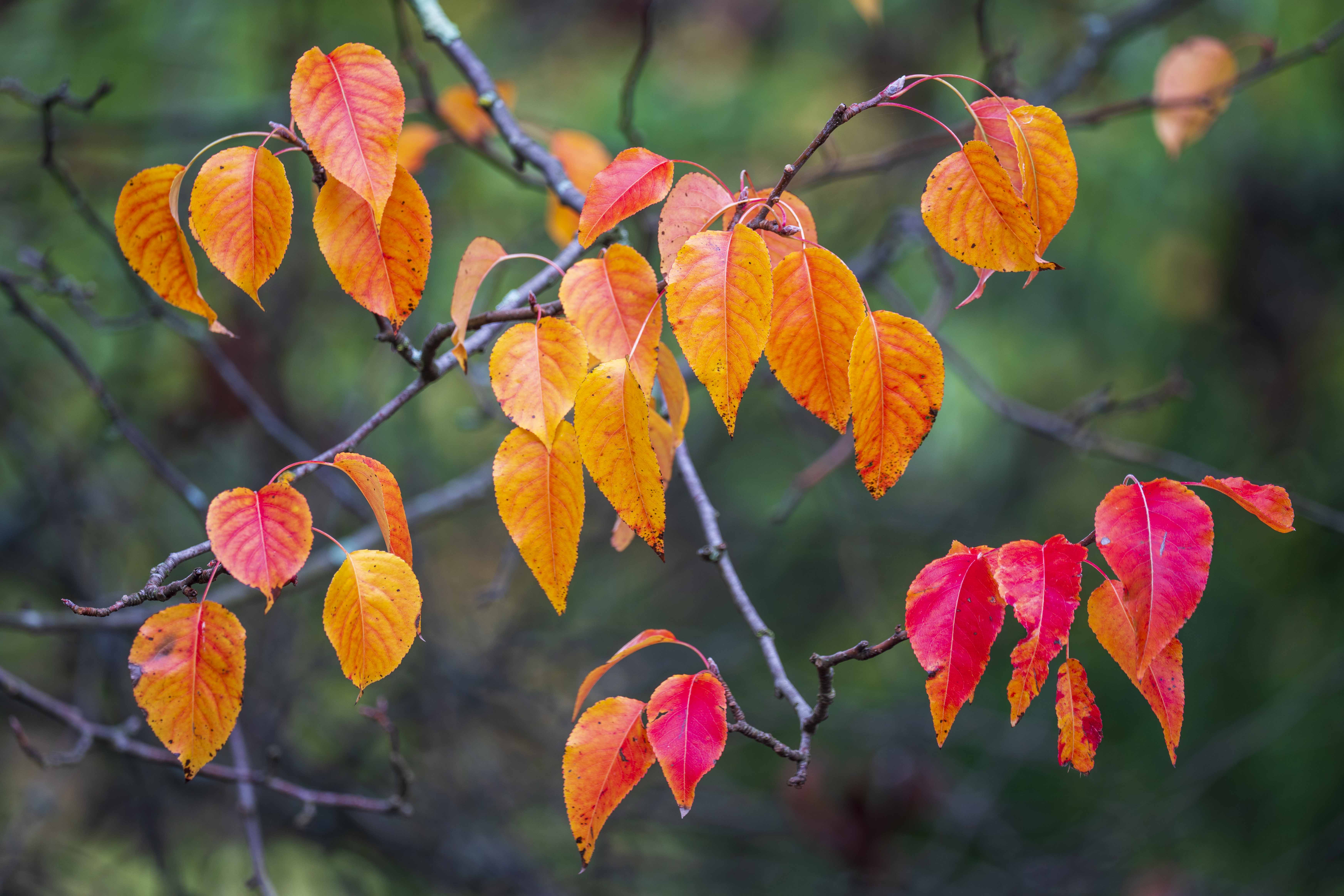
Do not overlook the small scenes. A single backlit maple leaf. Frost on fallen leaves at dawn. Mushrooms among leaf litter. These intimate compositions are often available when the grand landscape is not cooperating - too windy for reflections, too bright for forest interiors.
Leading Lines and Urban Autumn
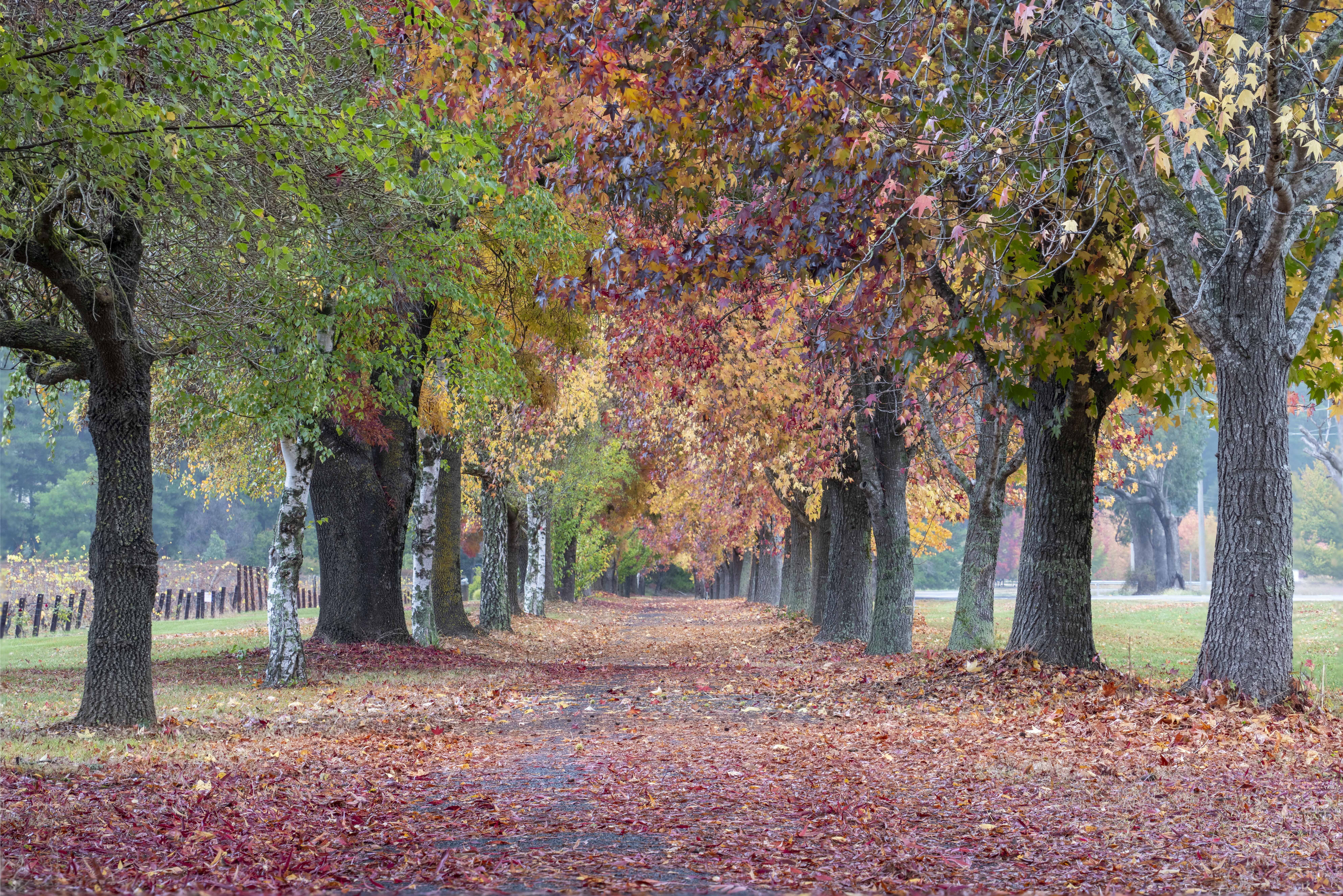
Tree-lined avenues, park pathways, and vineyard rows all create leading lines enhanced by autumn colour. Urban autumn photography is underrated - the contrast between architecture and natural colour can produce striking images, and city parks often have diverse planted species that peak at different times.
Camera Settings for Autumn
Polarising Filter
A circular polariser is arguably the most important autumn accessory. It removes glare from waxy leaf surfaces, which deepens colour saturation dramatically. Rotate it while looking through the viewfinder - you will see the leaves shift from washed out to vivid. It also darkens blue sky and manages reflections on water.
Exposure
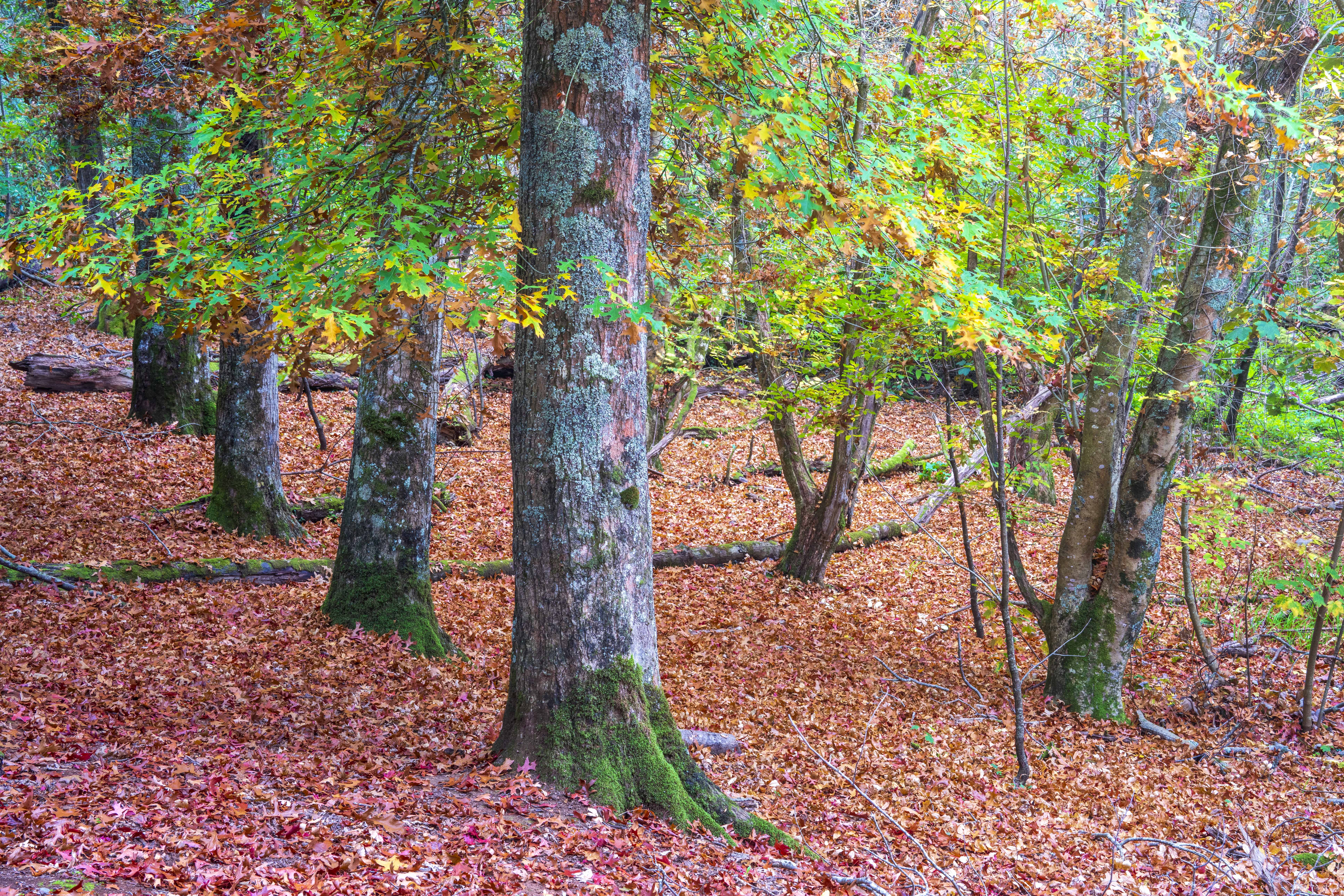
Autumn scenes often benefit from slight underexposure - around -0.3 to -0.7 EV. This keeps warm tones rich and prevents yellows from blowing out. Review your histogram and watch for clipping in the red channel, which happens easily with crimson foliage in direct light.
White Balance
Set white balance to Daylight or Cloudy rather than Auto. Auto white balance often tries to neutralise the warm tones, which is the opposite of what you want. Cloudy adds a slight warm shift that complements autumn colour. If shooting raw, you can fine-tune later, but getting it close in camera helps you evaluate compositions on the back screen.
Aperture and Tripod
For landscapes, f/8 to f/16 provides the depth of field you need while keeping the lens in its sharpest range. Forest interiors are darker than you expect, especially on overcast days - a tripod lets you use lower ISOs and maintain image quality. If you are including flowing water, you need the tripod anyway for longer exposures.
Seasonal Planning Calendar
Early Autumn
The first subtle shifts appear - a few early-turning trees stand out against the still-green majority. This is the time for scouting. Visit your target locations, note which trees turn first, and identify compositions you want to return to at peak. ShutterTime scores during this period reflect general conditions; start watching for days that combine overcast skies with calm mornings.
Mid-Autumn - Peak Colour
The main event. Colour peaks across your elevation range over one to three weeks. This is when you should be checking scores daily and keeping your schedule flexible. The best autumn images often come from midweek sessions when a high-scoring day happens to fall on a Tuesday or Wednesday. Weekend-only photographers miss some of the best conditions simply because weather does not follow a five-day work schedule.
Late Autumn
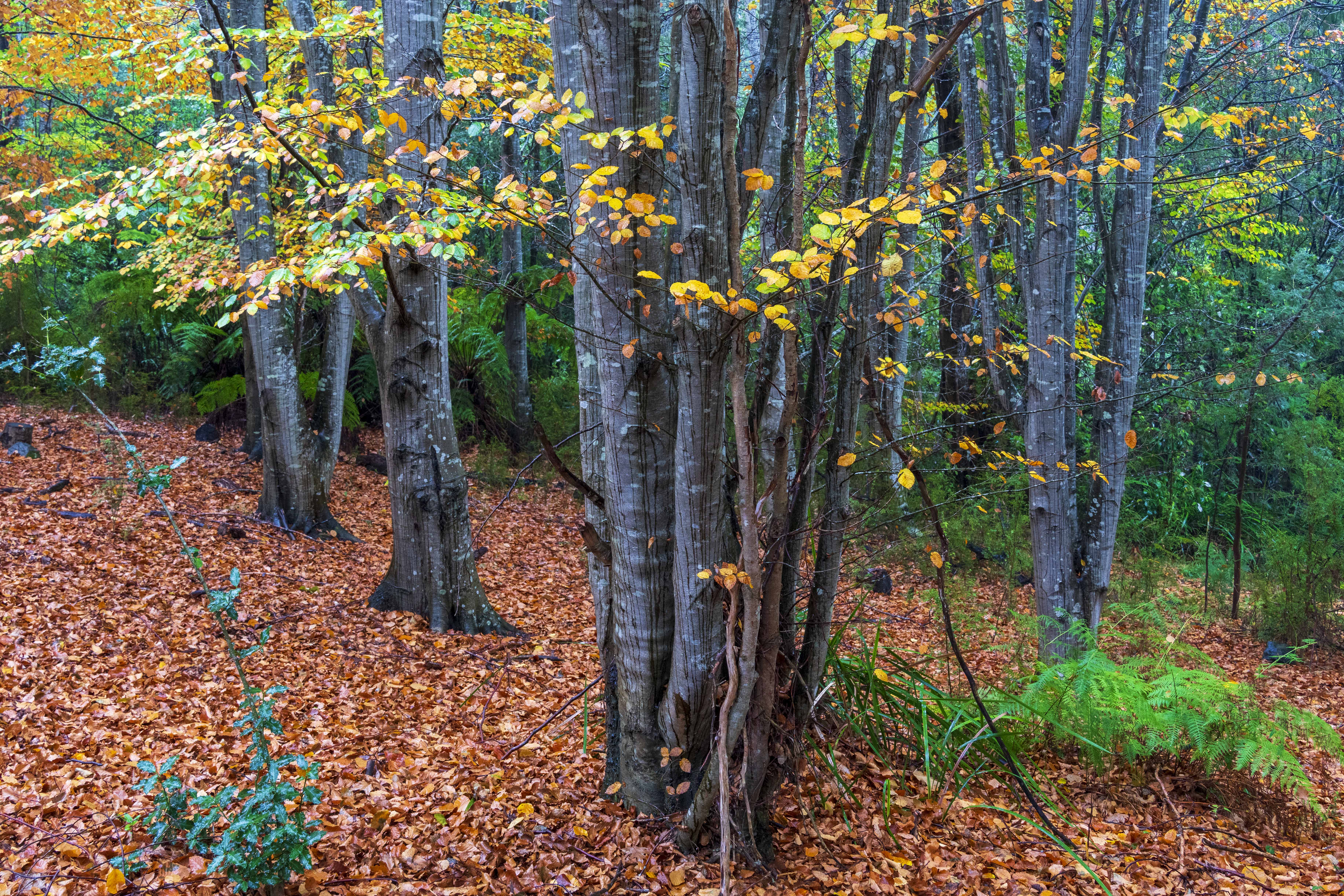
Bare branches begin to dominate, but this phase has its own beauty. Fallen leaf carpets on forest floors, the last holdout trees glowing against bare neighbours, and the increasingly moody light all offer strong compositions. Scoring remains useful here - conditions that produce fog and frost become more frequent and create atmospheric images even without full canopy colour.
Key Takeaways
Peak autumn colour lasts one to two weeks at any given location - plan ahead and stay flexible.
Overcast skies, post-rain, and fog are your best friends for saturated foliage colour.
Use ShutterTime scores to compare days quickly and the Nature Color community profile to weight conditions specifically for colour photography.
Create plans with reminders for high-scoring mornings - fog windows are early and brief.
Chase colour downhill as the season progresses to extend your shooting window by several weeks.
A polarising filter and slight underexposure are the two quickest technical improvements for autumn colour.
Do not ignore late autumn - bare branches, frost, and fallen leaf carpets are equally photogenic in the right conditions.
Happy shooting.
Ilia Mogilevsky