The Aurora Doesn't Send Calendar Invites. But We Do.
KP index, moon phase, cloud cover, solar wind—aurora photography is a logistics puzzle. ShutterTime scores conditions in real-time so you're not driving 4 hours on a hunch.
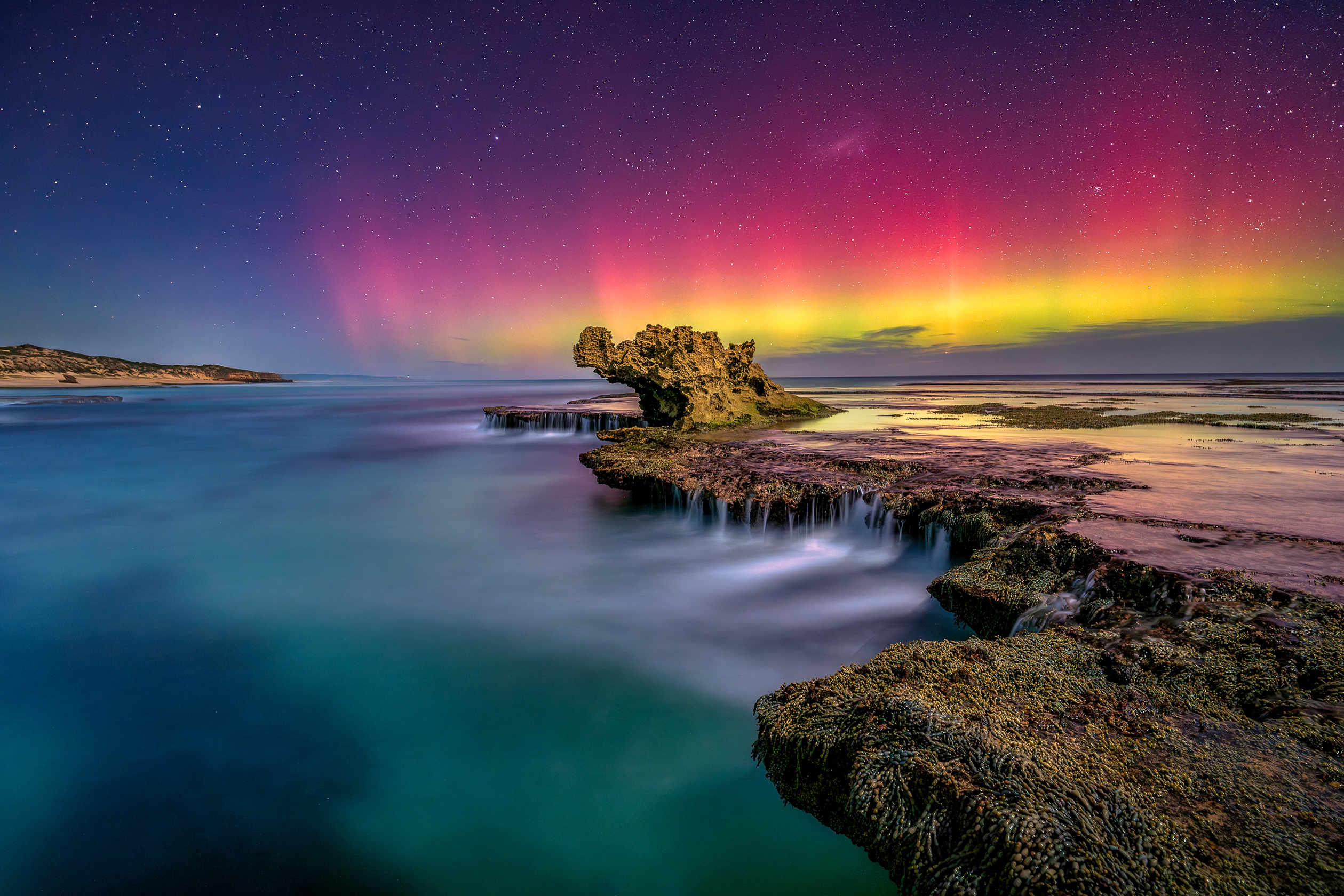
Sound familiar?
Full moon washed it out
Checked the KP index, drove 3 hours north, but forgot about the moon. The aurora was there—you just couldn't see it.
Clear at home, cloudy up north
Your local forecast was perfect. The aurora location? Overcast. Weather varies dramatically over 100 miles.
Aurora too low on the horizon
The KP was strong, but the aurora was hugging the horizon behind trees and hills. Needed higher activity or a different location.
Missed the outbreak
Solar storms don't wait for convenient hours. The best aurora activity was 2am-4am, and you were asleep.
What ShutterTime tracks
KP Index
Geomagnetic activity from 0-9. Higher = stronger aurora. KP 3 minimum for visibility. KP 5+ for strong displays.
Moonless Nights
Moon illumination affects aurora visibility dramatically. Bright moon washes out faint aurora. New moon is ideal.
Cloud Cover
Must be clear in the direction of the aurora. Northern horizon clear is more important than overhead.
Latitude Adjusted
KP requirements vary by your location's latitude. Iceland needs KP 3, UK needs KP 5, central Europe needs KP 7+.
Frequently asked questions
What KP index do I need to see the aurora?
It depends on your latitude. At 65°N (Iceland, northern Norway), KP 3 is often sufficient. At 55°N (Scotland, southern Canada), you need KP 5+. At 50°N (northern US, central Europe), KP 7+ is required. ShutterTime adjusts scoring based on your location.
How far in advance can aurora be predicted?
Short-term forecasts (1-3 hours) are most reliable, based on real-time solar wind data. 1-3 day forecasts are possible when coronal mass ejections (CMEs) are detected heading toward Earth. ShutterTime monitors both real-time conditions and upcoming forecasts.
Where should I look for the aurora?
In the northern hemisphere, look north. The aurora typically forms an oval centered on the magnetic pole. At lower latitudes during strong storms, look toward the northern horizon. ShutterTime factors in the direction of aurora activity when scoring cloud cover.
Can I get alerts for aurora activity?
Yes. Create an aurora profile with KP index as a must-have condition. Set a score threshold on your northern locations and ShutterTime will notify you when geomagnetic activity, clear skies, and dark conditions align.
Related features
Milky Way and night sky planning
Golden hour and weather conditions
Coastal aurora and reflections